
1. One Thing that Helps
Green hydrogen has a middleman problem.
The standard process goes: solar panels make electricity, electricity powers an electrolyzer, electrolyzer splits water into hydrogen. With each step, energy is lost. Photreon, a spin-off from Germany's Karlsruhe Institute of Technology, just removed the middleman.
Their panels skip electricity entirely. Sunlight hits a light-sensitive catalyst inside a water-filled reactor. The catalyst directly splits water molecules into hydrogen and oxygen, no electrolyzer required. As co-founder Paul Kant put it, they avoid the detour through electrically powered electrolysis altogether. The unit needs two inputs: sunlight and water.
The design uses common materials and standard manufacturing processes suitable for mass production. It scales from a rooftop installation up to a full hydrogen farm. The current prototype is one square meter but instead of solar farms that export electricity, we can get hydrogen farms that produce storable, shippable fuel directly from the sun.
Hydrogen is something you can put in a tank. If we can make it as accessible as gasoline, we’re on the road towards a more sustainable future.
2 One to be Wary of
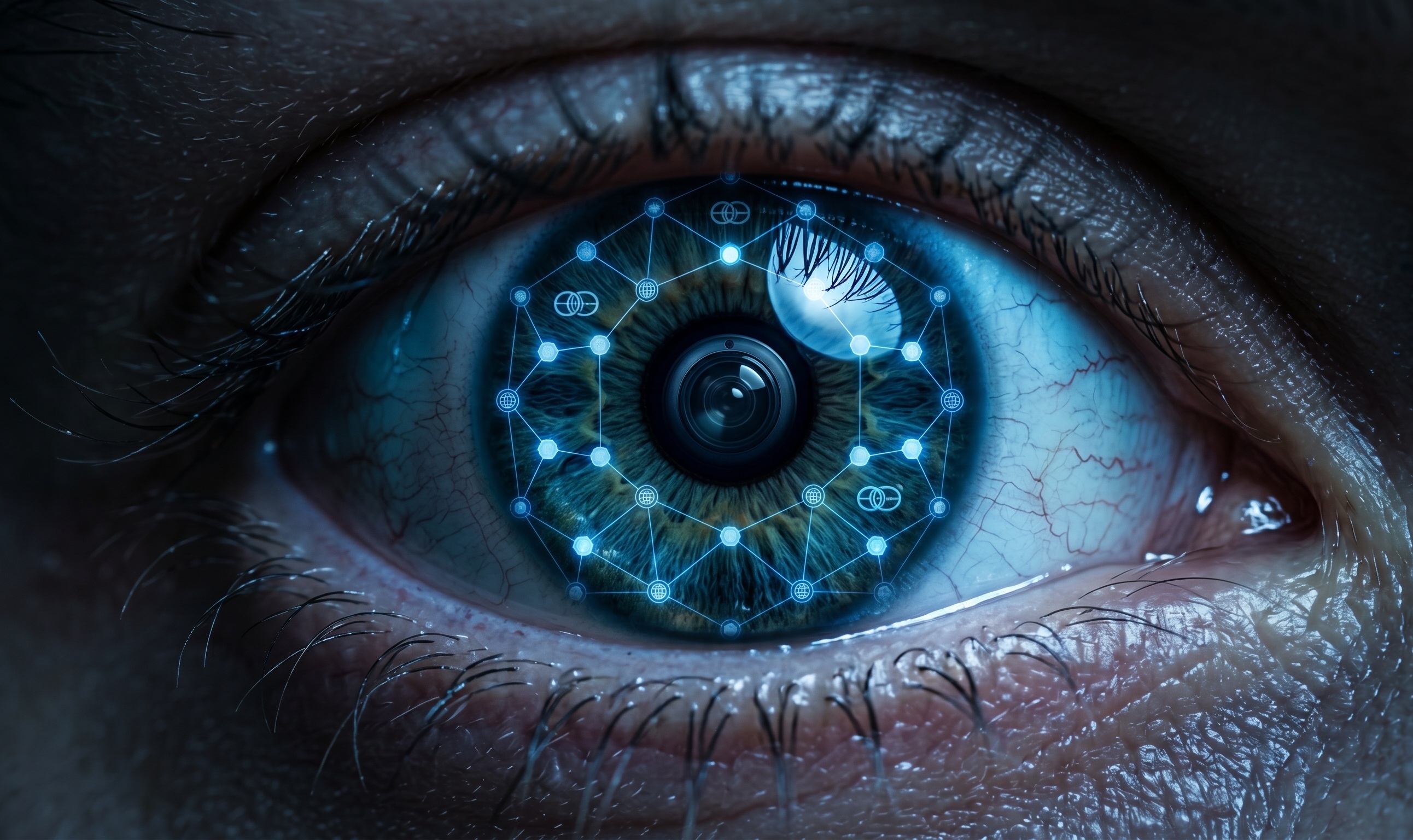
Sam Altman, the CEO of OpenAI, the man most likely to cede control to the robot overlords, would like to scan your eyeballs to prove you’re human.
Project World (formerly Worldcoin) announced it is integrating its human verification technology into Tinder, Zoom, Docusign, concert ticketing systems, and business email. AI has made it impossible to trust who you're talking to online, and World's spherical Orb device can fix that by converting your iris into a unique cryptographic identifier.
Unlike a password, you cannot reset your iris. The project has previously offered its crypto token to users in exchange for eye scans, a practice widely criticised as targeting people in low-income sectors. Spain, Portugal, Kenya, and Colombia have all investigated or blocked the project over data protection concerns.
The Tinder integration sounds harmless. Fewer bots, more real matches. But accepting it means enrolling your body in a centralised identity database controlled by a single private company with no democratic oversight. Run by Sam-bloody-Altman!
So here's the practical advice: don't let the Orb scan your eyes. Use regular two-factor authentication. It's imperfect, but it doesn't involve handing over something you can never change.
3 One to Amaze
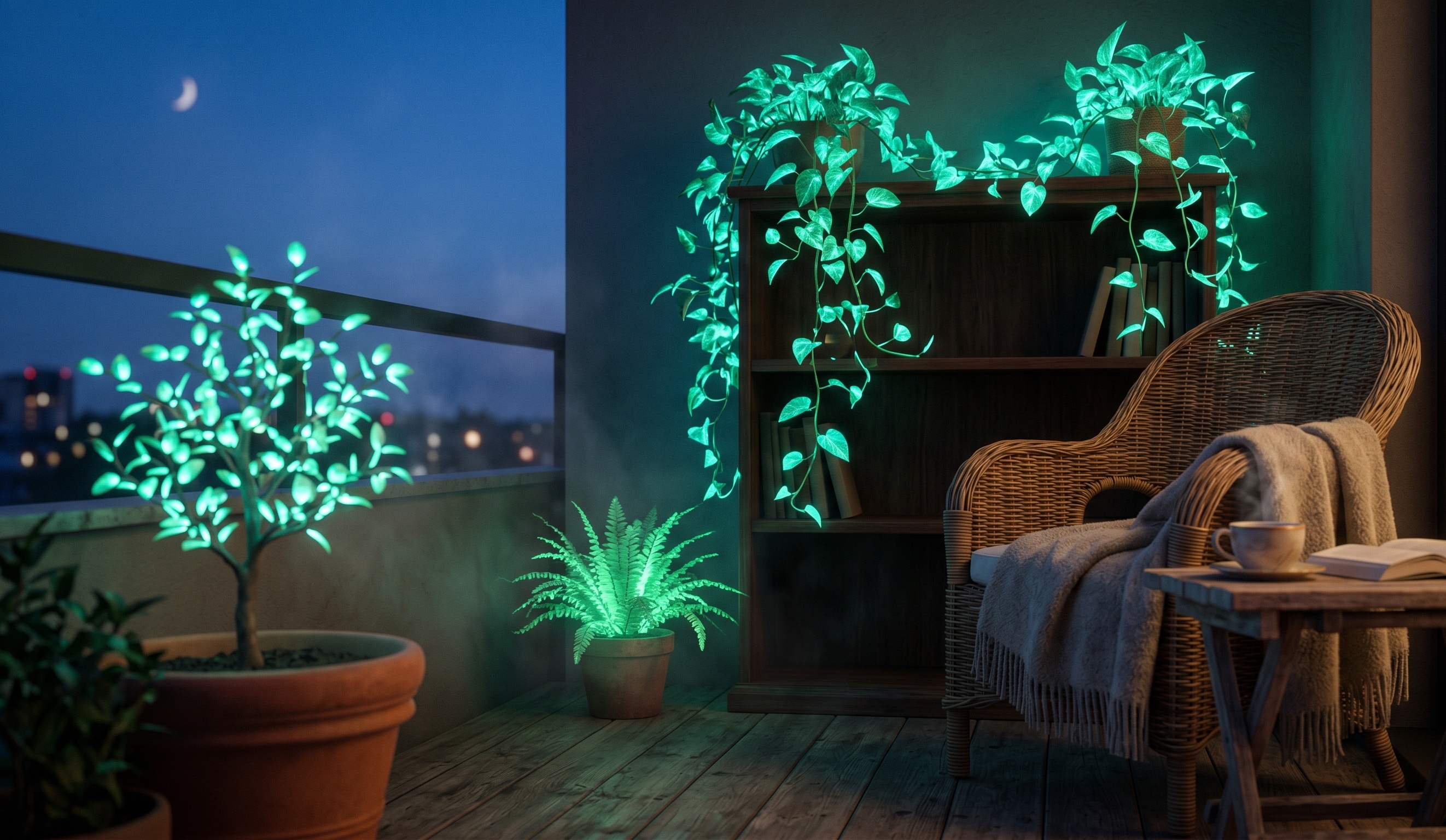
Chinese scientists have officially brought the bioluminescent jungles of Avatar to Earth. Plants that actually glow in the dark without an electricity bill.
Researchers transferred light-producing genes from fireflies and luminous fungi into plant cells. So far, more than 20 species, including orchids, sunflowers and chrysanthemums, have been engineered to shine at night.
These aren't glow-in-the-dark novelties that store light and fade by midnight. The plants produce their own light through biological processes, needing only water and fertiliser to keep glowing. Your fern is now a living light fixture.
The researchers behind it want to bring this to urban design, describing the vision as "like bringing the Avatar world to Earth." Streets lined with glowing oak trees. Parks you can walk through at midnight without a single light bulb humming overhead. Emergency exit signs that stay lit through a blackout because they're alive.
Soft biological light reduces the harsh skyglow that blankets most cities. A glowing pothos on your nightstand gives you just enough light to find the bathroom at 3 AM without the full assault of the overhead fluorescent. Highway medians lit by low-energy bioluminescent shrubs.
The science is real and the prototypes exist. But the only honest downside is that you can't turn them off with a switch. I’m sure we can fix that.