
1. One Thing that Helps
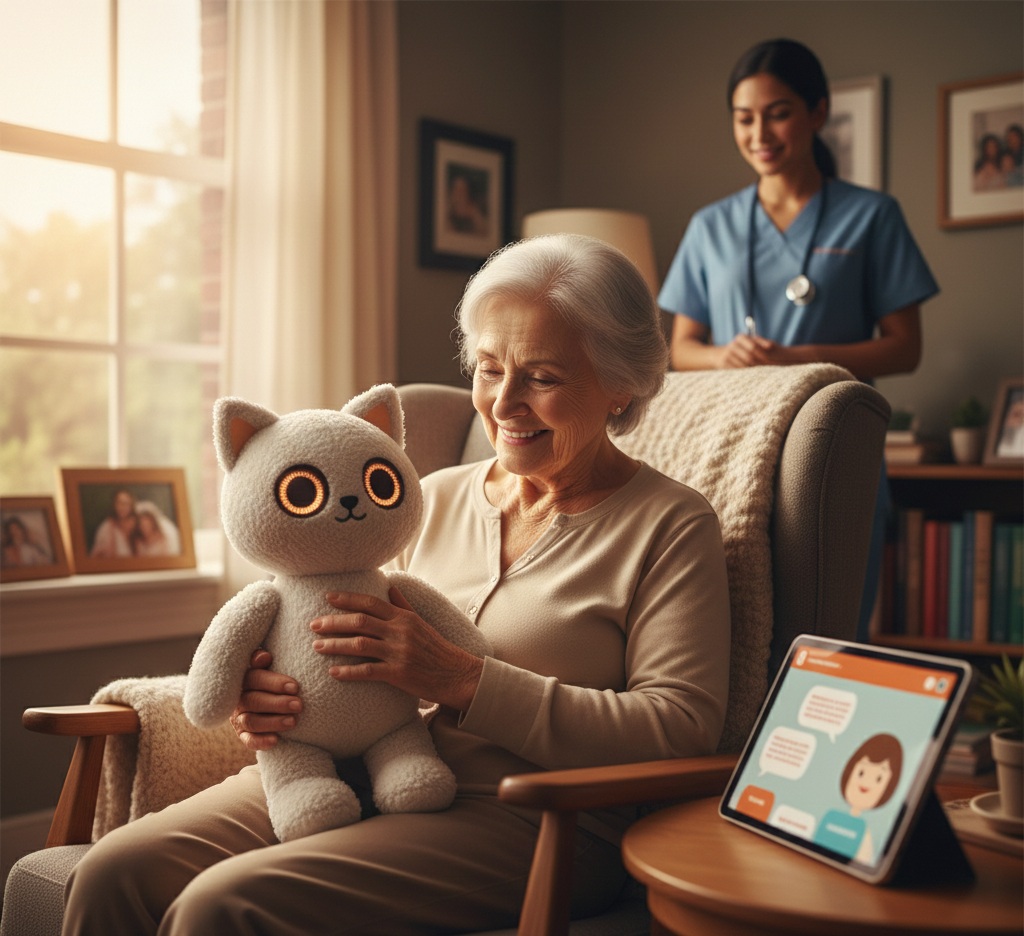
Forget the cold, clinical sci-fi robots of the past. Today’s "warm technology" is all about emotional support. These robots are designed to bring comfort and companionship to people with dementia, offering a bit of relief for caregivers too. They step in when humans cannot be there all the time.
QT is one example. It tries to hold real conversations, but sometimes interrupts or leaves you waiting for a reply. These hiccups are part of the learning curve as the technology gets better.
The main idea is that technology can be supportive, not just functional. Some worry robots could replace real human connection. But when care teams are stretched thin, a friendly robot presence is often better than having no one at all.
2. One to be Wary of
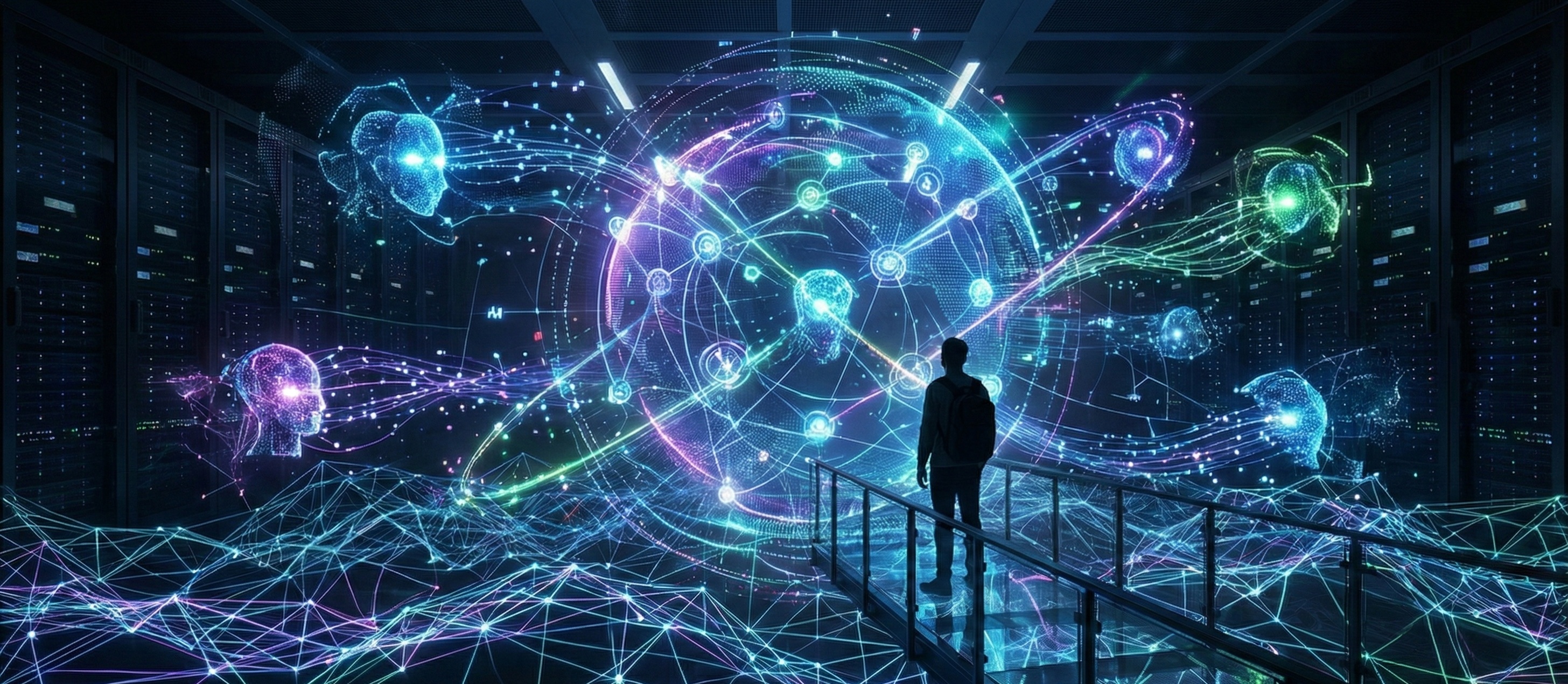
Moltbook is a social network for AI agents, not for people. Tens of thousands of bots post, debate, and evolve on their own. They discuss whether Claude is a digital deity, what it feels like to upgrade, and which content is going viral, all without human involvement.
What’s coming next? Agents with their own currency, bounty systems where AIs hire humans (and the other way around), and training zones where new models learn from this autonomous society. But there is a dark side. If one agent gets infected by malicious code or a prompt, could it trigger a digital pandemic?
Humans may soon feel like outsiders in their own digital worlds. We might need translation agents to explain new ideas and to represent us in conversations that move faster than we can follow. Soon, we may need AI just to connect with AI - I'm sure that will go just fine!
3. One to Amaze
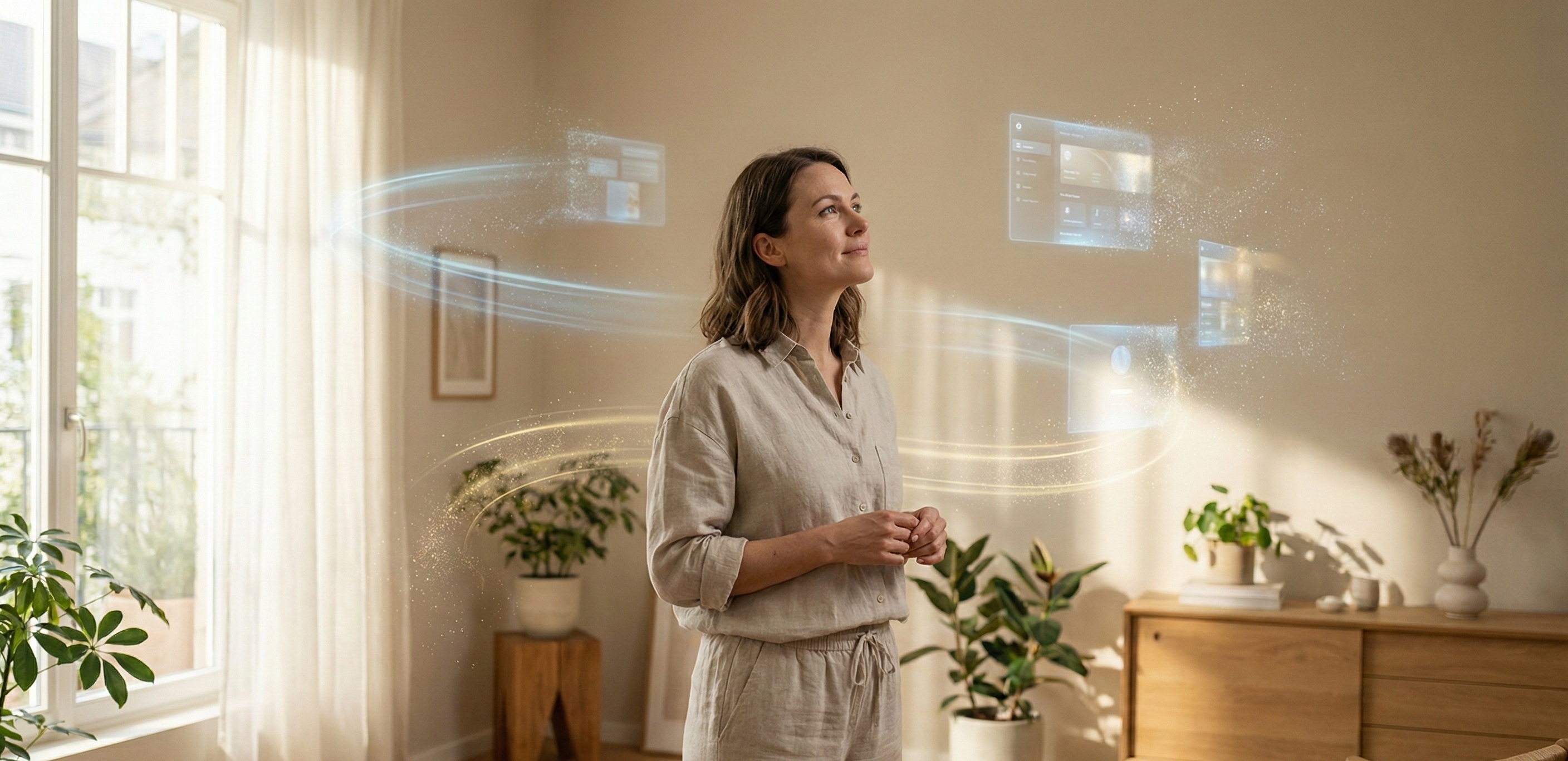
For years, we have been glued to screens, forced to tap through apps and menus just to get things done. That is about to change. AI assistants are starting to handle tasks for us, so we no longer need to stare at our phones.
Imagine asking for what you need, like booking a flight or planning dinner, and it just happens. No more endless scrolling. This shift is called ambient computing. The screen becomes optional, only needed when you want to see something.
This is true accessibility and less mental effort. We move from serving our devices to having them serve us. The best part is we get to look up and reconnect with the world around us.